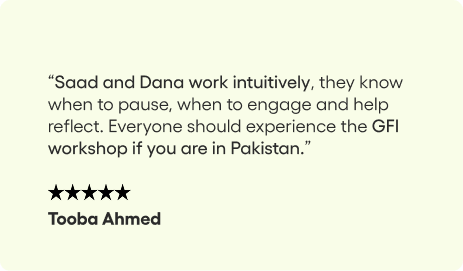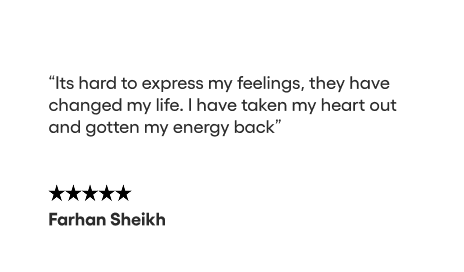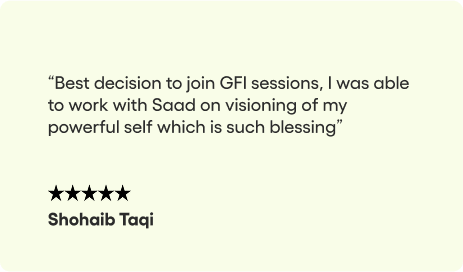
Group Facilitation: Unlocking Collective Intelligence
External Facilitation matters. Unique style of creating concensus for teams to achieve a mutual goals
Transformation Point
- Non-Structured, Organic Flow: Instead of rigid presentations, discussions unfold naturally, allowing participants to explore challenges, ideas, and solutions
- Sentiment & Consensus Building: The process uncovers hidden emotions, resistance, and motivations, leading to an authentic, aligned path forward
- Experiential Learning & Deep Ownership: Interactive exercises are integrated into discussions, making the session highly engaging and participatory
- Action-Oriented Outcomes: The session ends with clear insights into how to work on for maximum impact
Pricing:
USD 289/ person
*Get sliding scale pricing for above 15 participants
Organisational development area
- Employee Engagement Strategies
Team Dynamics
Cross-Functional Teams
- Real inclusion and diversity
Equity in Leadership
- Trust and Connection
Location
In Person/Online Event
Contact
saad.khan@gofeelit.com
True collaboration, happens when there is consensus of heart and mind. New way to do business!
In today’s fast-paced business environment, organizations must navigate complex challenges, cross-functional conflicts, and strategic decisions. The key to success lies in collaboration, consensus, and ownership—but how do you create an environment where every voice is heard, and every idea is valued?
Our Group Facilitation Training is the answer.
This qualitative-style group work session is designed to extract insights, align perspectives, and foster deep engagement. Whether you’re starting a new project, resolving interdepartmental conflicts, or developing a fresh strategic approach, this facilitation process helps unite teams through collective intelligence.
Group process is facilitated using multi-sensory channels. It is a discretely structured program using a highly curated field from what bosses want from their teams and also using people point of views, blocked energies, expressions, conflicting ideas as fuel to drive the conversations into ownership, realizations and powerful solutions.
✅ Step 1: Setting the Stage – Participants come together in a sharing format, the facilitator will start creating a space for open, judgment-free communication.
✅ Step 2: Guided Discussions & Exercises – The facilitator introduces experiential exercises to spark insights, alignment, and creative solutions.
✅ Step 3: Consensus & Ownership Building – The group reaches a shared understanding and commits to a collective way forward.
✅ Step 4: Clear Next Steps for Maximum Impact – We provide a roadmap of key focus areas that will drive tangible change.
✅ Interdepartmental Conflicts: resolving tensions & misalignment in a constructive, solution-driven manner.
✅ Generating New Ideas & Innovations: Encouraging free thinking and unlocking creative solutions.
✅Developing New Plans & Strategies: Gaining clarity, setting direction, and aligning stakeholders.
✅ Launching a New Quarter or Business Cycle: Setting goals, intentions, and execution strategies.
✅ Design Thinking & Problem-Solving: Structuring challenges into actionable solutions
✅Workplace Challenges : Gain insights into what is working and what needs improvement.
Why I Recommend This Event?
I recommend Group Facilitation because in many organizations, decisions are made based on surface-level discussions. People speak strategically, but not honestly. Concerns remain unspoken. Motivations stay hidden. Resistance shows up later in execution. This facilitation changes that dynamic.
The session flows organically rather than through rigid slides or scripted agendas. Process-worker is trainied t unfold conversations naturally, allowing participants to surface what is truly happening beneath the structure doubts, tensions, aspirations, unexpressed ideas. As sentiment and consensus emerge in real time, leaders gain a clear map of the emotional and psychological landscape of the team.
That alignment creates movement. People feel heard. Ownership increases. Energy shifts from compliance to commitment.
By the end, leaders walk away with clear insight into what to prioritize for maximum impact and the group leaves feeling connected, aligned, and ready to move forward as one unit.
Frequently Asked Questions
1. What is the purpose of the group fasciliation?
Most leaders try to drive change by increasing direction and effort. But real movement happens when you understand what people are actually thinking, feeling, and holding back. This facilitation creates a psychologically safe space where unspoken concerns, hidden resistance, emerging ideas, and genuine motivations can surface without confrontation.
For HR and leadership teams, this is especially powerful. It gives them real-time insight into employee sentiment not through surveys alone, but through lived dialogue. Leaders can see where energy is blocked, where enthusiasm exists, and where misalignment is quietly draining performance
2. How does this program benefit our organization’s overall performance?
From a Process Work perspective, every organization has a primary identity: how it sees itself, how it presents, how it believes it operates. At the same time, there are secondary signals — tensions, disturbances, emerging ideas, quiet resistance, new impulses — that live at the edge of awareness. When these signals are ignored, energy fragments. Conflict goes underground. Innovation stalls. Execution slows.
This program helps the organization become conscious of its edge.
Instead of suppressing disturbances, we track them. Instead of dismissing resistance, we decode it. What looks like disengagement often carries information about misalignment. What feels like conflict often contains the next developmental step
3. What areas of employee wellbeing does the assessment focus on?
The assessment covers nine critical areas: decision-making autonomy, openness and expression, task ownership, workload management, collaboration, learning opportunities, psychological safety, leadership support, and job security.
4. Who should participate in this training and assessment?
The program is designed for employees at all levels, including team members, managers, and leadership. It helps foster a culture of inclusion and shared responsibility for mental and emotional wellbeing across the organization.
5. How can we implement changes based on the group fascilitation?
After the assessment, we provide tailored recommendations and training interventions to address identified gaps. These might include policy updates, leadership coaching, team workshops, or employee support programs—all aimed at creating a culture where people feel heard, valued, and empowered.
There will be time throughout the sessions for Q&A time with the presenter.
Pricing:
USD 289/ person
*Get sliding scale pricing for above 15 participants
Organisational development area
- Employee Engagement Strategies
Team Dynamics
Cross-Functional Teams
- Real inclusion and diversity
Equity in Leadership
- Trust and Connection
Location
In Person/Online Event
Contact
hello@gofeelit.com
Other Programs



The Science behind Mentorship (evidence)
Everyone has the right to know, what works and what doesn’t work and what to expect in the journey of personal development